
Westchester Construction Accident Lawyers — Protecting Injured Workers’ Rights
Construction sites are dangerous. If you’ve been hurt on the job in Westchester or the Hudson Valley, we navigate workers’ comp and potential third-party claims to pursue the full compensation you deserve. Our Westchester construction accident lawyers handle ladder and scaffold falls, struck-by incidents, electrocutions, and other serious injuries with urgency and care.

Workers’ Comp vs. Third-Party Lawsuits — Know Your Options
Workers’ compensation may cover medical bills and part of your lost wages, but it usually bars lawsuits against your employer. Many job site injuries also involve third-party negligence (for example, a property owner, general contractor, subcontractor, or equipment manufacturer). In those cases, you may bring a separate lawsuit for additional damages like full lost earnings and pain and suffering. We evaluate both paths from day one.
Key New York Construction Laws That Can Help Your Case
New York has strong protections for injured workers:
- Labor Law 240 (the “Scaffold Law”) — Applies to gravity-related risks like falls from ladders or scaffolds or being hit by falling objects. Site owners and general contractors can be held liable when proper safety devices are not provided
- Labor Law 241(6) — Requires construction, excavation, and demolition sites to comply with specific safety rules; violations can establish liability.
- Labor Law 200 — General duty to provide a safe workplace.
We explain how these statutes apply to your accident and build the evidence needed to hold the responsible parties accountable.
Common Construction Accident Scenarios We Handle
- Falls from heights: roofs, ladders, scaffolds
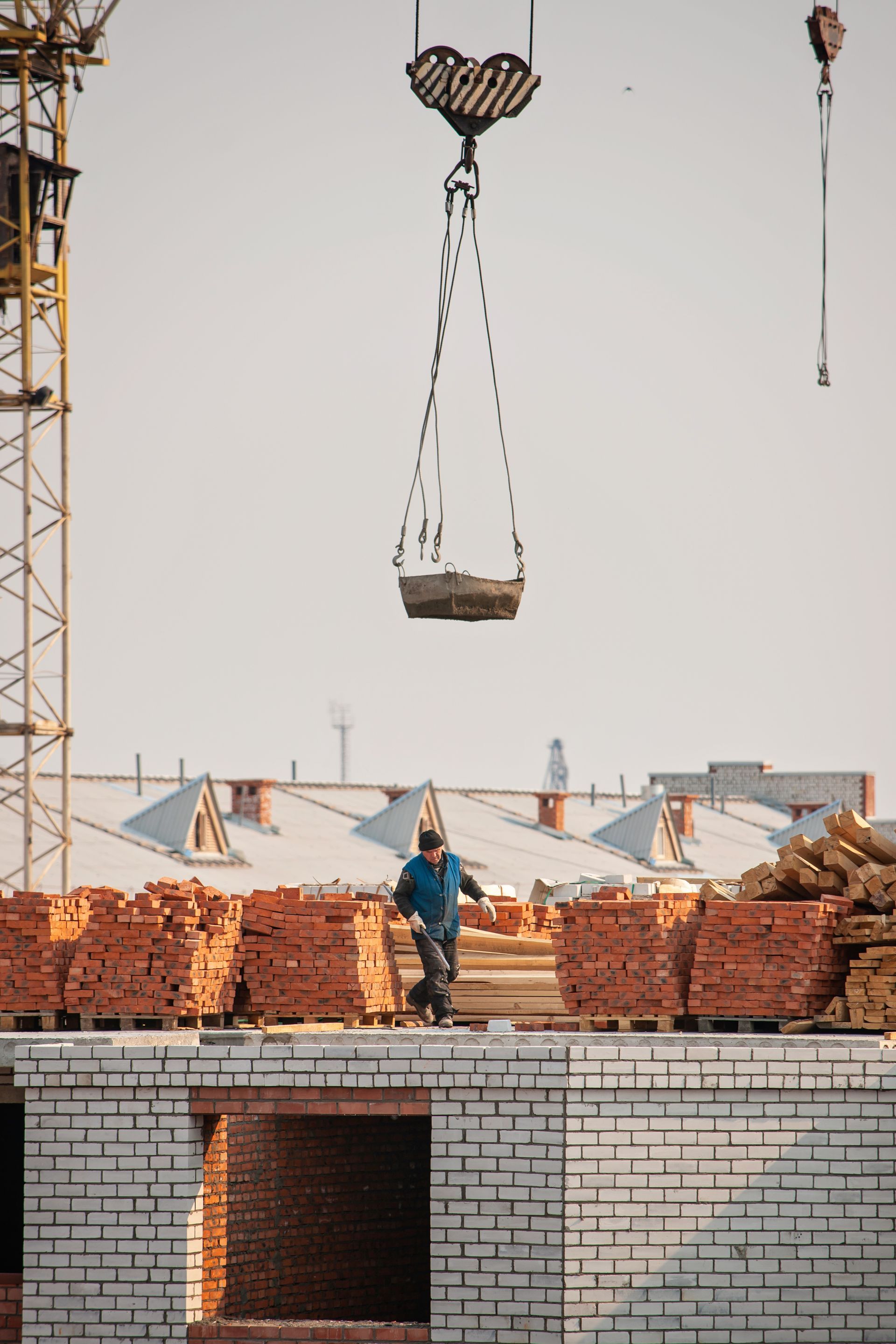
- Falling object and hoisting incidents
- Trench, wall, or structure collapses
- Electrocutions and live-wire contact
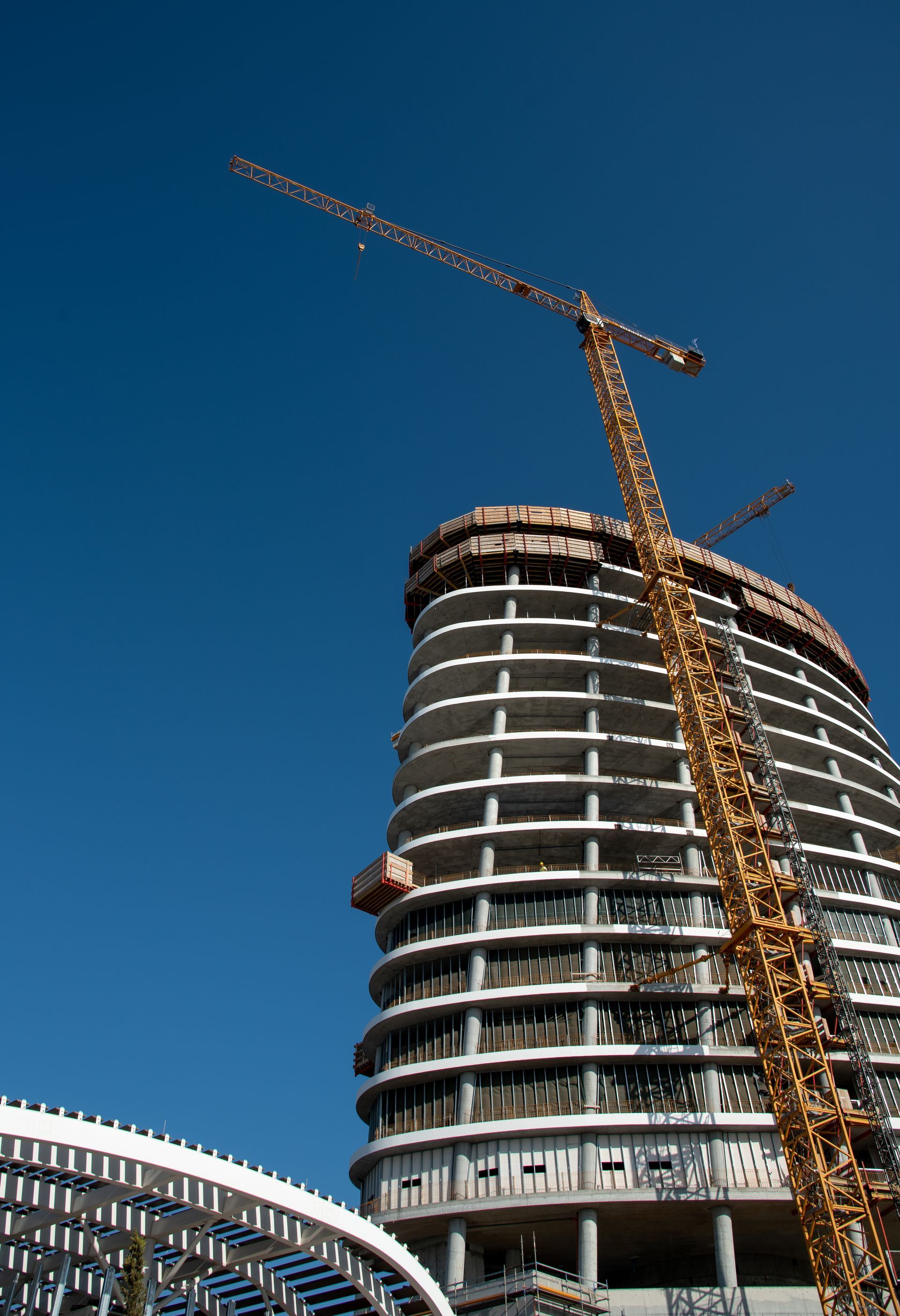
- Forklift, crane, manlift, or heavy equipment accidents
- Defective tools, PPE failures, and unsafe site conditions
Serious Injuries Require Serious Advocacy
Job-site injuries can be life-changing: fractures, spinal injuries, traumatic brain injuries, crush injuries, burns, and more. We coordinate with medical and vocational experts to document the full impact on your health and earning capacity, then pursue all sources of recovery beyond workers’ comp when available.
What To Do After a Construction Injury
Our Approach to Job-Site Cases
- Rapid investigation with site inspections and evidence preservation
- Expert analysis on safety devices, codes, and industry standards
- Full damages valuation, including future medical needs and lost earning capacity
- Negotiation with insurers and, when necessary, aggressive litigation to secure fair results
FAQs: Construction Accident Claims in New York
I’m on workers’ comp. Can I still sue someone for my construction accident?
Often, yes. You generally can’t sue your employer, but you may bring a third-party claim against site owners, GCs, subcontractors, or manufacturers whose negligence contributed to your injury.
What is Labor Law 240 and does it apply to me?
Labor Law 240 (Scaffold Law) protects workers facing gravity risks (falls or falling objects). If proper safety devices weren’t provided or failed, owners and GCs can be liable for your injuries.
Who can be held liable in a construction site injury?
Potential defendants include the property owner, general contractor, subcontractors, site managers, and product manufacturers—depending on who controlled the work or created unsafe conditions.
I’m an undocumented worker. Can I still bring a claim?
Yes. Undocumented workers may recover compensation for injuries caused by negligence under New York law. Your immigration status does not bar a third-party injury claim.
My employer didn’t provide safety gear. What are my rights?
Lack of proper safety devices can support claims under Labor Law 240/241(6) and related theories. Contact us quickly so we can preserve evidence and evaluate your options.
Talk to a Westchester Construction Accident Lawyer
You don’t have to navigate insurers or complex laws alone. We’re ready to explain your rights and pursue every avenue for recovery.